Finger Print: A Modern Sans-Serif Font That Commands Attention
More Than Just Letters: The Personality of Finger Print
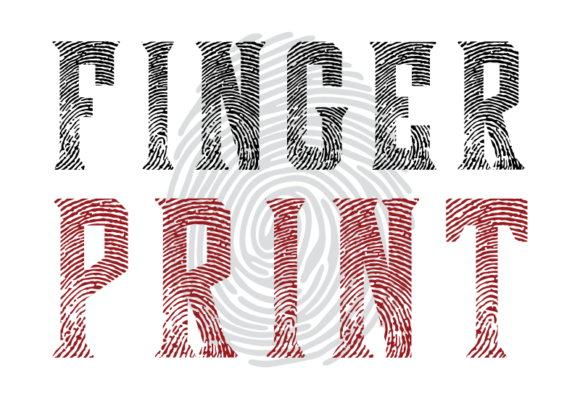
When you first encounter the Finger Print font, you immediately sense its confidence. This isn't a typeface that whispers; it speaks with clarity and purpose. As a creative and modern sans-serif font, Finger Print is built on a foundation of bold decisions. Its characters are defined by sharp, clean edges and angular incisions that feel almost sculpted. There's a dynamic energy in every letterform, a captivating interplay of light and shadow created by its precise geometry. It carries the weight of a premium font but with a distinctly contemporary edge, making it far more than just a collection of letters—it's a design statement.
The visual personality of Finger Print strikes a fascinating balance. It possesses the structural integrity and readability expected of a well-crafted sans serif font, yet it avoids sterility. The subtle variations in stroke and the deliberate, chiseled details give it a human touch, a fingerprint of artistic intent. This unique character allows it to function as a powerful display font for headlines that need to grab attention, while its underlying clarity ensures it can be used effectively in subheadings and short blocks of text where impact is key.
Where Finger Print Truly Shines: Practical Applications
Understanding a font's personality is one thing; knowing where to deploy it is where the real design work begins. Finger Print excels in scenarios where a project needs to convey modernity, innovation, and a touch of daring. Its bold nature makes it a natural fit for logo design and brand identity systems, especially for startups, tech companies, creative agencies, and lifestyle brands that want to project confidence and forward-thinking energy. It can serve as the cornerstone of a visual identity, setting a distinct tone from the very first glance.
Beyond logos, consider Finger Print for your packaging design. On a shelf crowded with soft scripts and traditional serifs, its angular precision can make a product stand out, suggesting quality and contemporary appeal. In the realm of editorial design, it can transform magazine covers, feature article headers, and book titles, adding a layer of graphic sophistication. For digital creators, it's a potent tool for web design hero sections, impactful blog post titles, and eye-catching social media graphics where stopping the scroll is the primary goal.
- Branding & Marketing: Ideal for logos, business cards, website headers, and advertising campaigns that require a strong, memorable voice.
- Publishing: Perfect for book covers, chapter headings, magazine layouts, and promotional posters where title visibility is crucial.
- Digital & Social: Excellent for website headlines, app interfaces, video thumbnails, and social media posts that demand immediate engagement.
- Personal & Commercial Projects: A great choice for wedding invitations with a modern twist, event posters, merchandise, and any creative project seeking a distinctive, professional look.
Making It Work: Guidance for Using Finger Print Effectively
Adding a new creative font to your toolkit is exciting, but using it effectively requires a bit of strategy. First, always evaluate project fit. Finger Print's strong personality means it works best when it has room to breathe. It's not typically the best choice for long-form body text, where its details can become distracting. Instead, pair it wisely. A classic serif font or a clean, neutral sans serif font for body copy will create a beautiful font pairing, allowing Finger Print to headline the show without overwhelming the entire design.
Before committing, test it thoroughly. Check the font family for included styles—does it come with multiple weights (Light, Regular, Bold, Black) or even italics? These variations are invaluable for creating visual hierarchy and adding nuance to your designs. Pay close attention to readability at the sizes you intend to use. While it's a modern typography piece, test its legibility on both screen and in print, especially for critical information. Finally, if your project is commercial, always verify the licensing. Ensure you have the appropriate commercial font license for your intended use, whether it's for a client's brand, a product for sale, or a widely distributed publication.
Ultimately, Finger Print is more than just another design asset. It's a tool for building recognition and conveying a specific brand perception. When used thoughtfully, it can elevate a project from ordinary to memorable, influencing audience engagement through its sheer visual confidence. It’s a daring choice, but for the right project, it’s one that can make all the difference, leaving a lasting impression that feels both professionally crafted and creatively bold.