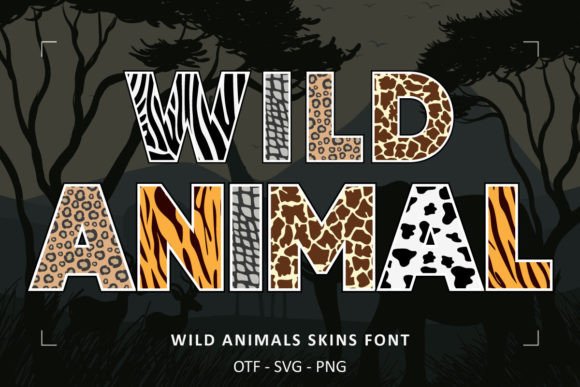
Wild Animals Skins: Infusing Safari Spirit into Your Projects
In a world saturated with the same handful of safe, neutral typefaces, finding a font that genuinely captures attention without shouting can feel like a challenge. We often default to a classic sans serif font for safety or a standard serif font for authority, but these choices sometimes lack the specific personality required to make a design truly memorable. If your goal is to evoke a sense of nature, adventure, or a playful organic vibe, standard corporate typography simply won’t cut it. This is where the specific character of a display font becomes an essential tool in your design assets library, particularly one designed with a specific theme in mind.
The Distinct Character of Wild Animals Skins
Enter Wild Animals Skins, a creative font that breaks away from the rigidity of modern typography to offer something with genuine texture and soul. This is not just another script font or a standard handwritten font; it is a premium font conceptually rooted in the patterns and energy of the safari. The visual characteristics of this typeface go beyond simple letterforms. When you look closely at the anatomy of the letters in Wild Animals Skins, you see a design that balances legibility with artistic flair. The characters often feature organic curves, slight irregularities that mimic hand-drawn textures, and a weight that feels substantial and grounded. It avoids the harsh geometry of geometric sans serifs, instead opting for a warmth that feels inviting and tactile. The personality of this typeface is inherently adventurous yet sophisticated enough to be used in commercial contexts. It bridges the gap between a playful novelty item and a serious design tool, making it a versatile addition to any designer's toolkit.
Strategic Applications for Designers and Entrepreneurs
Understanding where a typeface like this excels is crucial for effective logo design and branding. The Wild Animals Skins font is ideal for projects that need to stand out on a shelf or a screen. For small business owners in the outdoor, travel, or eco-tourism sectors, this font offers an immediate visual shorthand for their brand identity. Imagine a boutique safari lodge using this typeface for their signage; it instantly communicates the theme without needing lengthy explanation. However, its utility extends far beyond literal safari themes. In packaging design, particularly for organic food products, children's toys, or artisanal crafts, this font adds a layer of authenticity and charm that sterile, modern fonts lack.
- Apparel and Merchandise: It shines on t-shirts and tote bags where the typography itself acts as the primary graphic element.
- Publishing and Editorial Design: Use it for book covers or chapter headings in adventure novels or nature guides to set the mood immediately.
- Digital Presence: While primarily a display font, it works wonderfully for headers in web design and bold text in social media graphics, ensuring your posts stop the scroll.
- Event Branding: From wedding invitations with a rustic theme to restaurant menus for a farm-to-table eatery, the font adapts to the context.
For content creators and bloggers, incorporating Wild Animals Skins into your header images or Pinterest graphics can significantly boost engagement. It provides a visual consistency that helps build brand recognition over time.
Typography Hierarchy and Audience Engagement
One of the most practical aspects of using a premium font like Wild Animals Skins is how it influences the visual hierarchy of your layout. Good design is about guiding the viewer's eye, and a distinctive display typeface creates a strong focal point. By using Wild Animals Skins for your H1 headers or pull quotes, and pairing it with a clean, legible sans serif font for your body copy, you create a rhythm that is pleasing to the eye and easy to read.
However, readability must always be the priority. While this font is crafted with care, its artistic nature means it is best suited for headlines and short bursts of text rather than long-form body copy. Using it at small sizes in dense paragraphs could hinder the user experience. Instead, leverage its strengths where they matter most: the first impression. When a potential customer sees a product label or a website banner featuring this typeface, the font contributes to the brand perception. It suggests creativity, attention to detail, and a willingness to be different. This emotional connection is what drives audience engagement.
Practical Guidance for Integration
Before committing to this font for a large-scale project, it is wise to evaluate the fit and test your pairings. A serif font with high contrast can sometimes clash with a textured display font, so look for a sans serif or a simple geometric font that acts as a quiet companion to the Wild Animals Skins' louder voice.
- Evaluate the Context: Does the project require a formal tone? If so, use this font sparingly as an accent. If the tone is casual or whimsical, you can use it more liberally.
- Check Licensing: Ensure you review the commercial licensing if you plan to use it for client work or merchandise. Most premium fonts come with clear guidelines for usage.
- Test Sizing: View the font at the actual size it will be printed or displayed. What looks like a charming detail on a large monitor might look like a smudge on a business card.
- Color Interaction: Fonts with texture often look best in solid, dark colors or high-contrast white on dark backgrounds. Avoid busy background images that compete with the detailed character shapes.
Ultimately, Wild Animals Skins